How Memory Care for Dementia Can Bring Peace of Mind to St Louis Families
@ln3uus4j5g
October 7, 2026 · 7 min read
When a parent or spouse begins to show signs of dementia, the first instinct is often to try to handle everything at home. You adjust the routines, remove the tripping hazards, and hope that the familiar surroundings will keep things stable. But dementia is not a condition that stays still. It changes the person you love, and it changes what they need from their environment. At some point, many families in the St Louis area start asking whether a dedicated setting might be safer and more supportive than the family home.
That question leads to a lot of research, a lot of tours, and a lot of hard conversations. The phrase "memory care for dementia" gets thrown around, but what it actually means on the ground varies widely from one community to the next. Some places are large institutional buildings with long hallways and a clinical feel. Others are smaller, quieter, and designed with the specific challenges of dementia in mind. Understanding the difference is key to making a choice that works for your family.
What Memory Care Actually Provides
Memory care is a specialized form of assisted living that focuses on people with Alzheimer's disease and other forms of dementia. Unlike a standard assisted living setting, where the main goal is help with daily tasks like bathing and medication management, memory care addresses the cognitive and behavioral changes that come with dementia. This includes everything from wandering prevention to structured activities that reduce anxiety and confusion.
A good memory care program doesn't just lock doors and call it safety. It uses dementia-friendly design principles: clear sightlines, gentle color contrasts, secure outdoor spaces, and layouts that minimize dead ends and confusing corridors. The staff are trained in de-escalation techniques and communication strategies that work when a resident can no longer express what they need with words. This kind of environment is what families are really looking for when they search for memory care for dementia in St Louis.
The Small-Scale Difference
One trend that has gained traction in recent years is the move toward small-scale care. Instead of a 100-bed facility, these are homes with 10 to 16 residents, often designed to feel like an actual house. The cottage-style model is a good example. It offers a homelike atmosphere where meals are cooked in an open kitchen, residents know the staff by name, and the daily rhythm feels less like an institution and more like a shared household.

For someone with dementia, this scale matters. Large facilities can be overwhelming. The noise, the constant turnover of faces, the long walks to the dining room - all of it adds to the confusion that dementia already brings. In a smaller setting, the environment is predictable. The same caregiver might help you get dressed every morning. The living room looks like a living room, not a waiting area. That sense of familiarity can reduce agitation and improve sleep, appetite, and mood.
Family-focused care is another element that parents often overlook until they are in the thick of it. You are not just placing a loved one; you are joining a team. Good small-scale programs hold regular family meetings, share daily updates, and invite you to participate in activities. They understand that dementia affects the whole family, not just the person with the diagnosis.
Therapy Approaches That Actually Help
One of the misconceptions about dementia is that once the memory goes, there is no point in structured activities. In reality, the right kind of engagement can slow decline and improve quality of life. Two approaches that show real results are validation therapy and reminiscence therapy.
Validation therapy was developed by Naomi Feil in the 1960s. It is based on the idea that instead of correcting someone who is confused, you enter their reality. If a resident thinks they are waiting for their mother to pick them up from school, you do not argue that their mother died decades ago. You acknowledge the feeling behind the statement - the loneliness, the impatience, the desire to go home - and respond with empathy. This technique reduces the frustration and agitation that often come when a dementia patient feels misunderstood.
Reminiscence therapy takes a different tack. It encourages the person to recall and share memories from their past, often using prompts like old photographs, music from their youth, or familiar scents. This can be surprisingly powerful. A person who cannot remember what they had for lunch ten minutes ago may be able to sing every verse of a song from 1955. Tapping into those long-term memories provides moments of clarity and joy that brighten the day for everyone involved.
Sensory stimulation also plays a big role. Simple things like a hand massage with scented lotion, a textured blanket, or a playlist of nature sounds can ground a person who feels anxious or disoriented. Many memory care programs now incorporate sensory stations and quiet rooms where residents can retreat when the world feels like too much.

Navigating the Financial Side
Cost is the elephant in the room for almost every family. Memory care is expensive, and it is rarely covered by standard health insurance. Medicare does not pay for long-term custodial care, though it may cover some short-term skilled nursing stays. Medicaid can help, but eligibility rules vary by state, and not all memory care communities accept it. In Missouri, there are Medicaid waiver programs that can offset some of the cost, but the application process is complex and often requires the help of an elder law attorney.
This is where transparency becomes crucial. A reputable memory care community will give you a clear breakdown of what is included in the monthly fee and what costs extra. Some charge a flat rate; others have a tiered system based on the level of care needed. When you are looking at local care options, ask about medication management, incontinence supplies, and therapy services. Those add-ons can turn a reasonable base rate into an unaffordable one.
Many families also overlook the value of caregiver support resources. If you are caring for someone at home while you search for a placement, local organizations like the Alzheimer's Association offer free classes, support groups, and a 24/7 helpline. They can help you navigate the emotional and practical challenges of the caregiving journey.
What to Look for When You Visit
When you tour a memory care community, do not just look at the brochure. Watch how the staff interact with residents. Do they make eye contact? Do they speak slowly and calmly? Do they seem rushed or distracted? Ask about staff turnover. High turnover is a red flag; it means the people caring for your loved one are burning out, and that affects the quality of care.
Pay attention to the physical space. Are there secure outdoor areas where residents can walk safely? Is the lighting soft and even, or are there harsh shadows and glare? Are the doors and alarms designed to prevent wandering without feeling like a prison? The best dementia-friendly design is the kind you barely notice because it works so well.
Also ask about the daily schedule. A good program balances structured activities with unstructured rest time. Look for variety: music, gentle exercise, art projects, and simple chores like folding laundry or setting the table. These activities provide a sense of purpose and normalcy that can make a huge difference in a person's outlook.
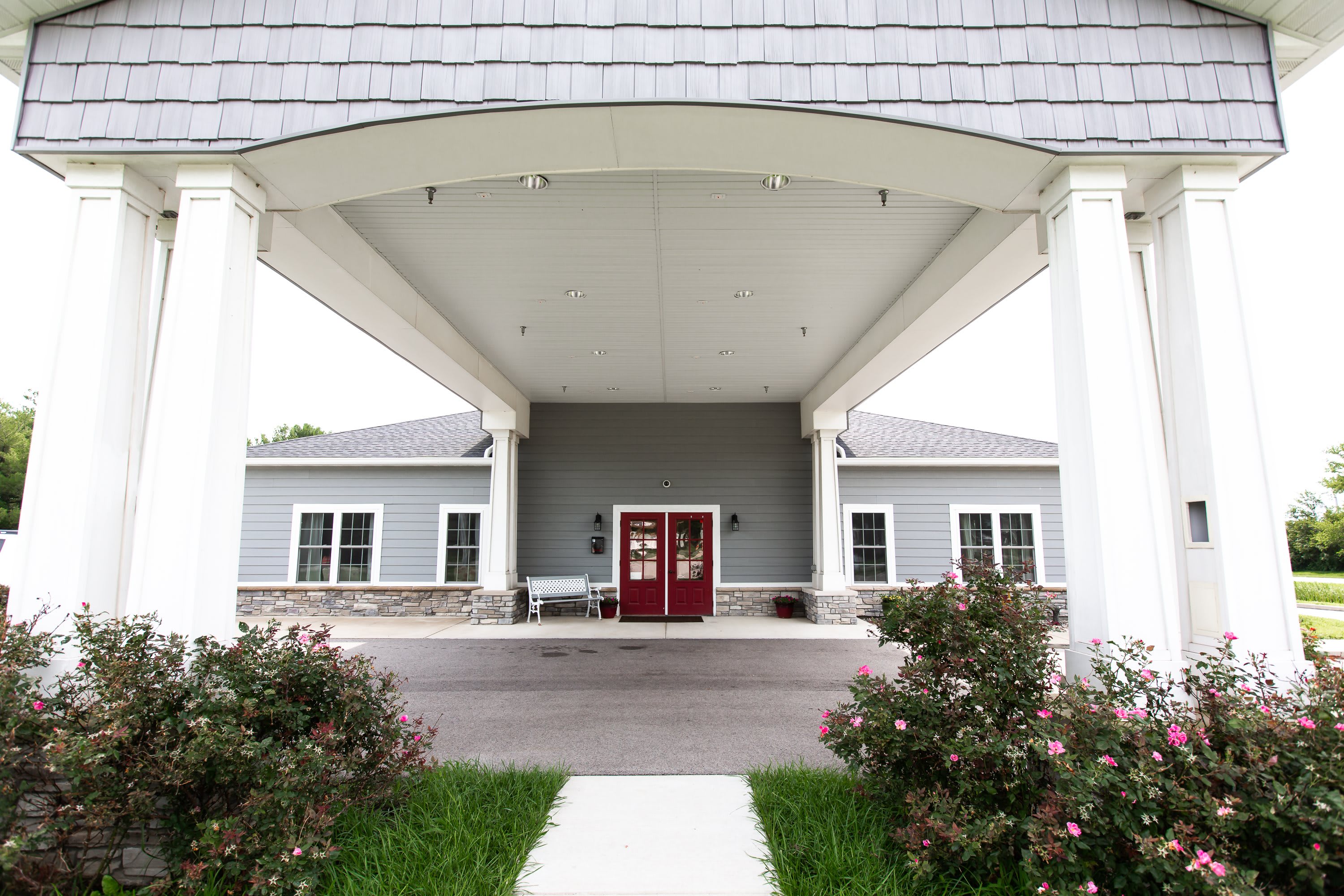
Finally, trust your gut. If a place feels off, it probably is. The right memory care for dementia should feel like a home, not a hospital. It should welcome you, listen to your concerns, and show genuine warmth toward the residents. That kind of atmosphere is not something you can fake in a tour.
Finding the Right Fit in St Louis
The St Louis metro area has a wide range of options, from large corporate campuses to small cottage-style homes. A senior living directory can help you narrow down the list, but nothing replaces a personal visit. Talk to current residents' families if you can. Ask about the food, the activities, and how the staff handled difficult moments. Those real-world details tell you more than any marketing material ever will.
At the end of the day, choosing memory care for dementia is about finding a place where your loved one can live with dignity and where you can sleep at night knowing they are safe. It is a hard decision, but the right environment can turn a chaotic situation into a manageable one. And that peace of mind is worth every bit of effort it takes to get there.